There are times when an idea seems so delicious that it can’t fail. A world of chocolate. A fantasy universe for entire families. A promise of total immersion that, on paper, sounds like the kind of experience that every lover of culture and imagination would want to visit. But what happens when the most important pieces (planning, production, and honesty with the audience) are left out of the design is instructive in itself: the fantasy melts away, and in its place remains a harsh lesson on how not to build a collective memory for an audience.
Illusion as a tool… and its double-edged sword
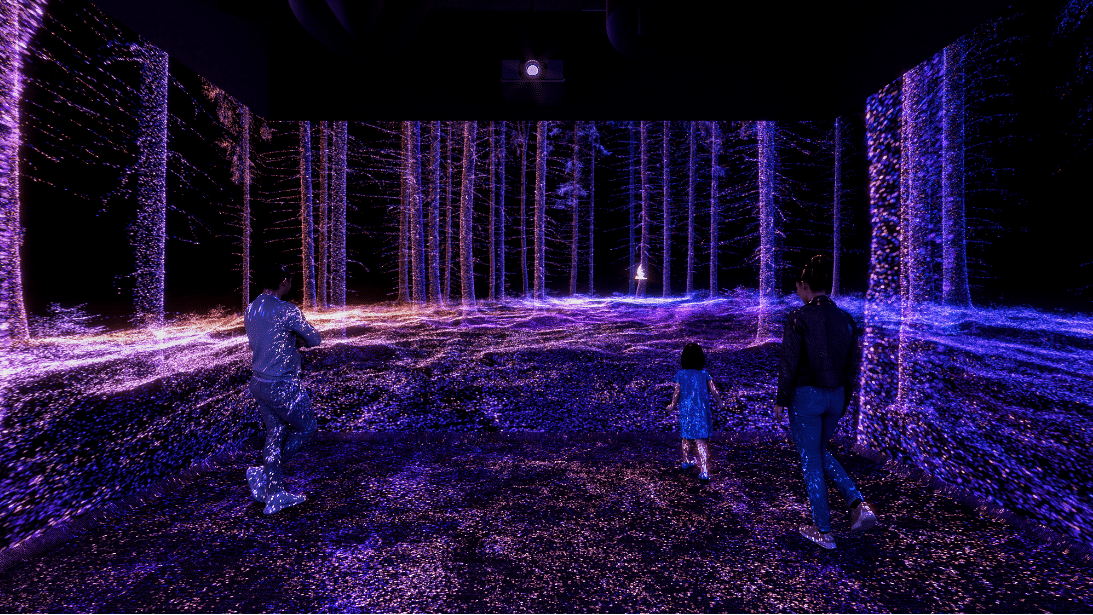
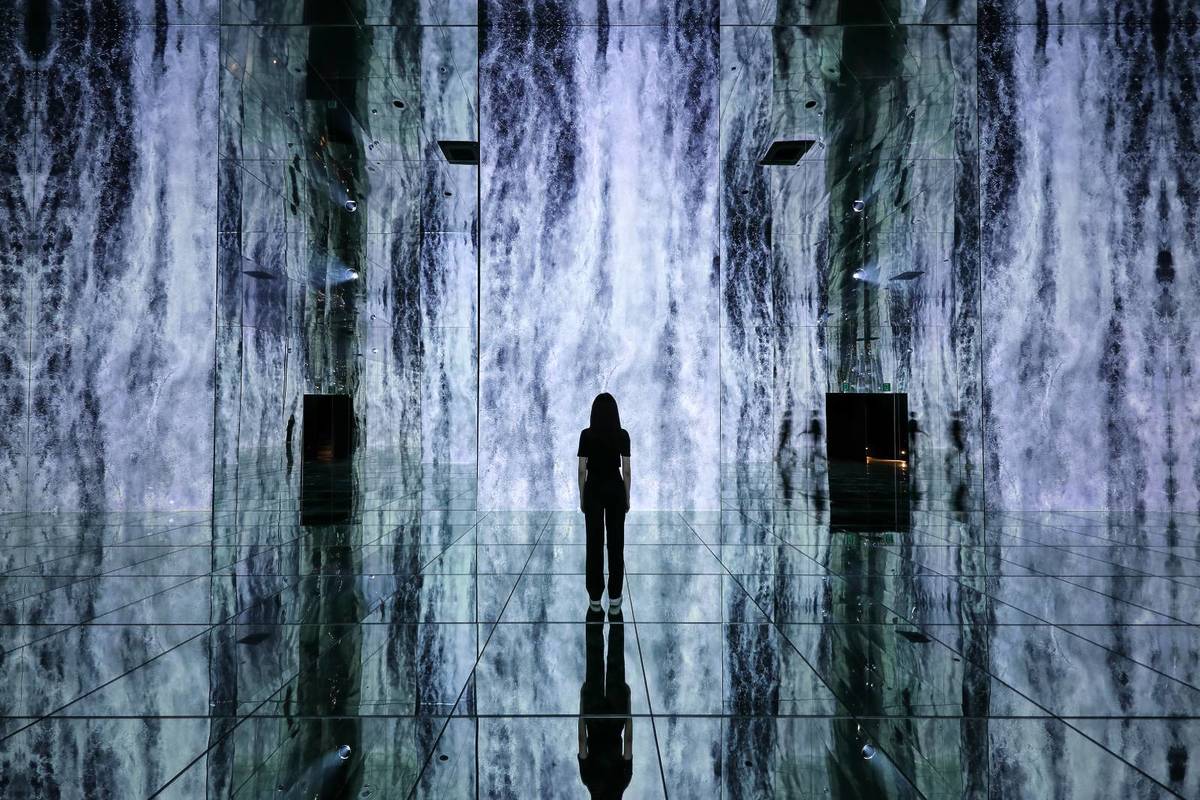
When we think of immersive experiences, we’re not just talking about pretty pictures or fl ashy lights. We’re talking about moments that invite visitors to be present, to feel something that transcends the superficial glance. In good design, illusion is a tool: it arouses curiosity, invites you in, prepares your body and mind for a story worth remembering.
But there is a fine line between using illusion to enter a world and using it to sell a promise that does not exist.
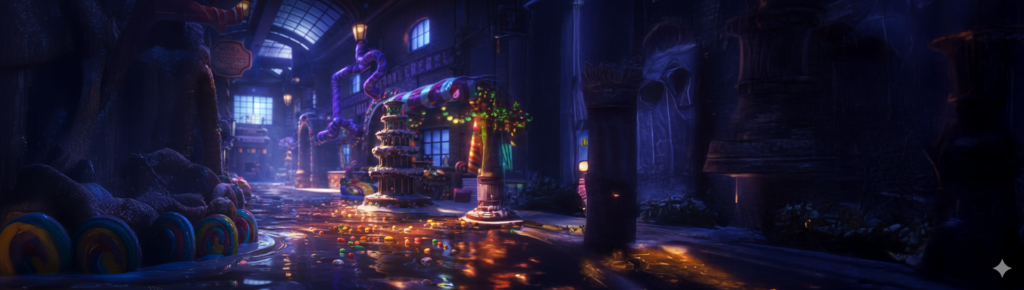
In this Willy Wonka experience that took place in Glasgow in February 2024, what was sold was an entire universe of chocolate and fantasy —a complete sensory narrative— and what was delivered was a soulless space, with few scenographic elements, confusing interaction directions and, above all, a huge gap between expectation and actual experience.
In experiential design, we know that expectation is built from the visitor’s first contact with the story: from the promotional text to the last scene of the experience. If that emotional contract is broken, the magic disappears before the visitor has a chance to really enter the story.
Beyond the visual: the body demands meaning
It is not enough for something to look good. An immersive experience deserves to be lived with the whole body. Sound, smell, texture, narrative, and interaction combine to create a moment that stays in the memory of those who experience it.
But imagine arriving at a place that promised chocolate waterfalls and discovering a poorly decorated warehouse with few senses involved. The audience is not only disappointed: their body, the very center of the experience, does not receive stimuli that support a coherent narrative. There is no emotional continuity, no “sensory bridge” between the promise and the experience.
The experiences we remember are not just the ones we see: they are the ones that make us feel, from the symphony of sounds to the touch of a surface, from the story that makes us part of it to the surprise that makes us respond. And when any of these elements is missing, the story becomes fragile.
Broken narrative, broken memory
What defines an immersive experience is not just the space, nor even the collection of objects within it. It is the way each element responds to the visitor’s presence and guides them toward a shared narrative.
In a well-designed experience, visitors are not spectators: they are co-narrators. Their steps, glances, and even decisions are part of how the story unfolds. Here, however, that relationship was never established.
Visitors walked through a space where the narrative was torn: there was no clear emotional progression, no sensory rhythm leading from wonder to discovery, from surprise to meaning. Instead there was a kind of disconnect between what was expected and what was actually there. And in the world of immersion that disconnect feels like a betrayal of the experience itself.
Honesty as design
One of the most profound lessons this fi asco teaches us is that honesty is not an aesthetic choice, it is a design principle.
When we sell a story—especially one that appeals to people’s hearts and imaginations—we are establishing an emotional contract. That contract requires not only clarity about what will be delivered, but also respect for the visitor’s time, money, and expectations.
Communicating with authenticity not only avoids disappointment, it reinforces public trust. And that trust is the main driver of emotional retention: the guarantee that what you are about to experience is worth remembering.
From mistake to opportunity
The failure of this Willy Wonka experience is not just an operational hiccup or poor logistics. It is a profound reminder of what it means to design cultural experiences that are authentic, coherent, and memorable.
For those of us who design these types of experiences, every mistake made by others becomes a compass: it shows us what not to repeat and, above all, what to cultivate:
- Respect for the narrative: every experience must have a story that is worth entering and feeling.
- Deep sensory integration: sound, light, touch, and space must work together to sustain presence.
- Consistency between promise and delivery: the experience must deliver on what is advertised, from the first line of text to the visitor’s last step.
- Active visitor participation: we don’t want observers, we want co-narrators.
Conclusion: what really remains
Immersion is not just spectacle. It is a commitment to memory, to the body, and to the emotions of those who experience it. And when that commitment is broken, the illusion vanishes, like chocolate in the sunlight.
But there, precisely there, lies the most valuable lesson: the magic of a good experience cannot be improvised. It is designed with care, consistency, and, above all, honesty. Because what we really do when we create a cultural experience is offer a place—temporary, yes—where visitors can remember what they felt, not just what they saw.
And that is a promise that always deserves to be kept.