
The chocolate that never was: lessons from the Willy Wonka experience fiasco

There are times when an idea seems so delicious that it can’t fail. A world of chocolate. A fantasy universe for entire families. A promise of total immersion that, on paper, sounds like the kind of experience that every lover of culture and imagination would want to visit. But what happens when the most important pieces (planning, production, and honesty with the audience) are left out of the design is instructive in itself: the fantasy melts away, and in its place remains a harsh lesson on how not to build a collective memory for an audience.
Sensory Odyssey: how a device-free multisensory experience teaches through wonder
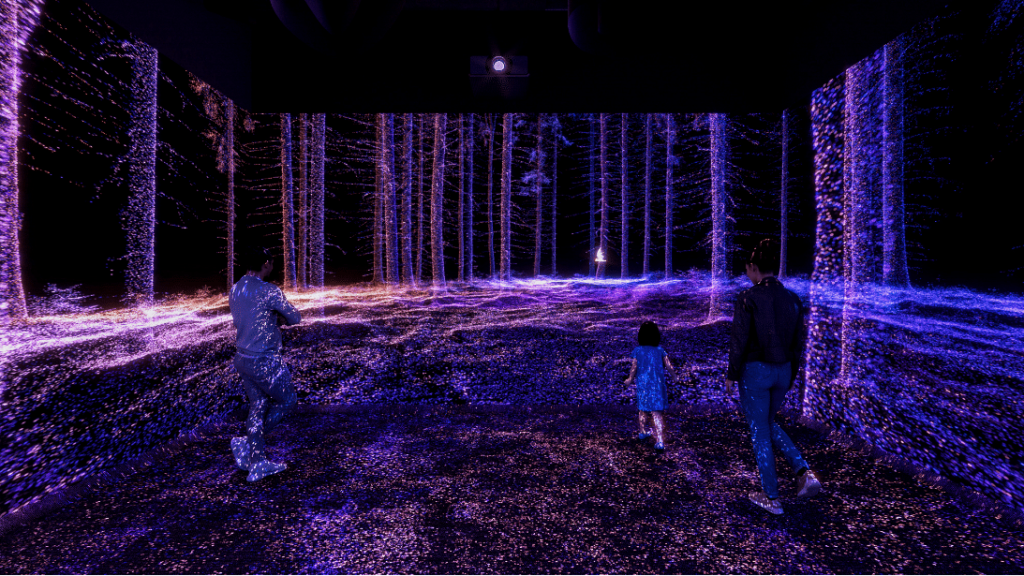
You step into a dim room. The floor glows like wet earth after rain. The sound isn’t a soundtrack, it’s weather moving around you. There’s a scent you can’t quite name until your brain catches up: petrichor, green and mineral. No headset. No earbuds. No instructions barking at you. Just your breath settling into the […]
When a Museum Smells Like Rain: How Scent, Sound and Tea Bars Are Rewriting Interpretation
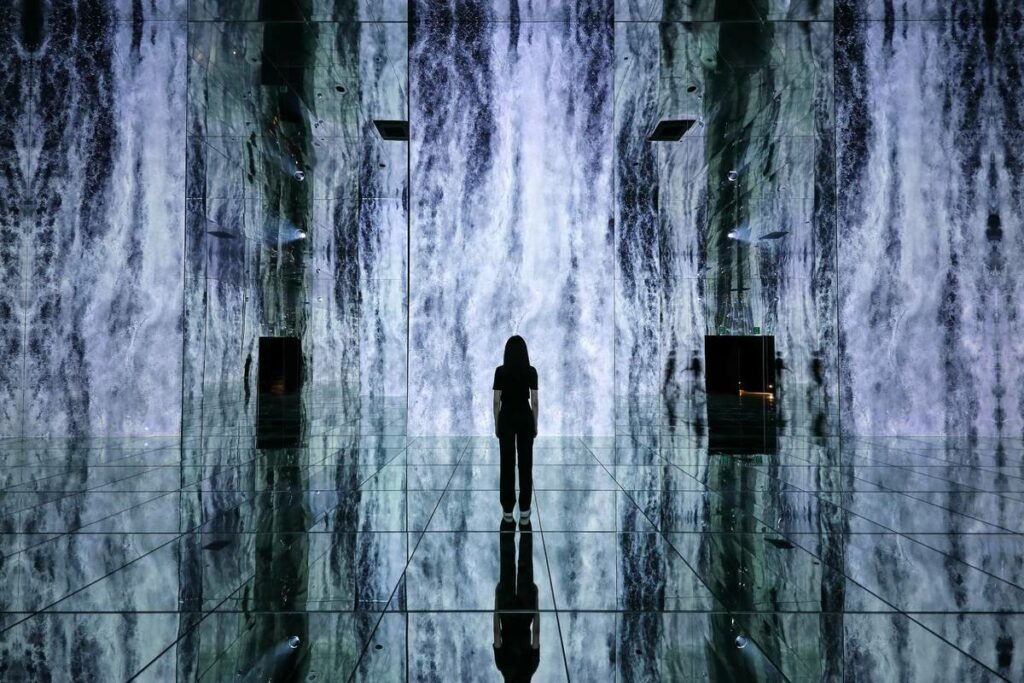
New York’s latest immersive destination isn’t just a visual spectacle. With room-specific fragrances, spatial audio, and a tea bar woven into the journey, ARTE Museum New York offers a new way to feel culture, through the nose, ears, and heart. This piece explores how museums are reimagining interpretation, one multisensory layer at a time.
When a Museum Is Built Like an Experience: The New Playbook for Multi-Sensory Interpretation

Museums are rethinking the visitor journey. From scent as a memory anchor to soundscapes that guide attention, the rise of multi-sensory interpretation signals a shift away from passive viewing. Recent openings in Washington, Philadelphia, and New York show how institutions are layering media, scenography, and hospitality to create meaningful presence, not spectacle.
Interactive Elements That Spark Curiosity: Why Interactivity Wins in Immersive Experiences
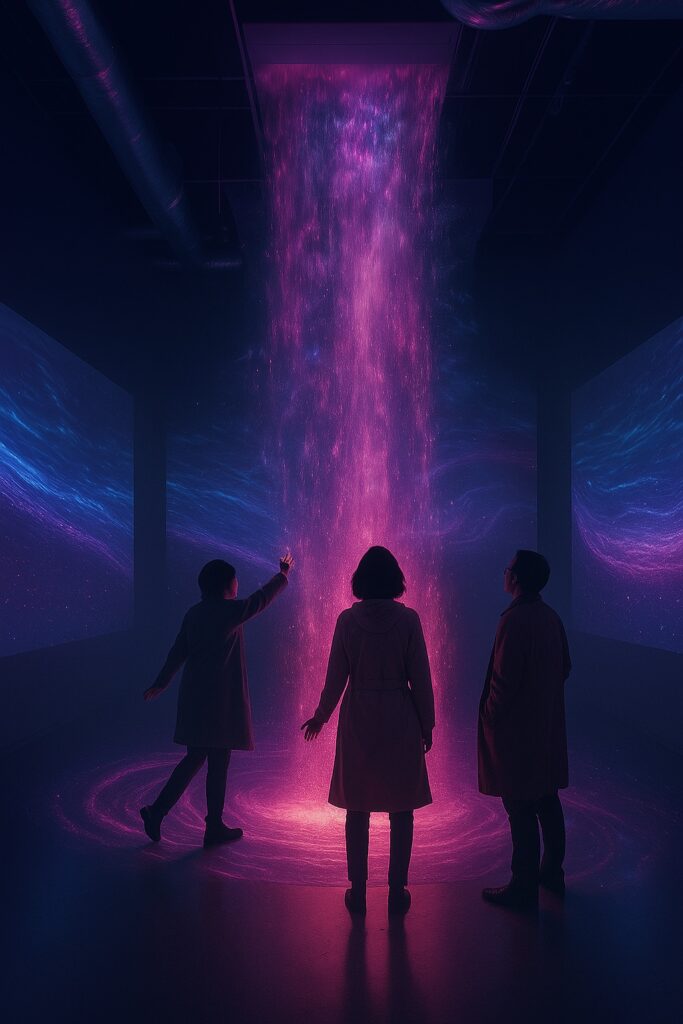
Interactivity isn’t a gadget, it’s the engine of presence. This article shows how interactive elements turn visitors into co-authors of the experience, boosting curiosity, dwell time and recall. From hands-on moments and gamified paths to AR portals and conversational guides, you’ll see what actually works and why. Clear examples, plain language, and practical tips you can apply to make cultural experiences more memorable.
Building Immersion Before the Doors Open: How Quizzes and Pre-Visit Experiences Create Anticipation
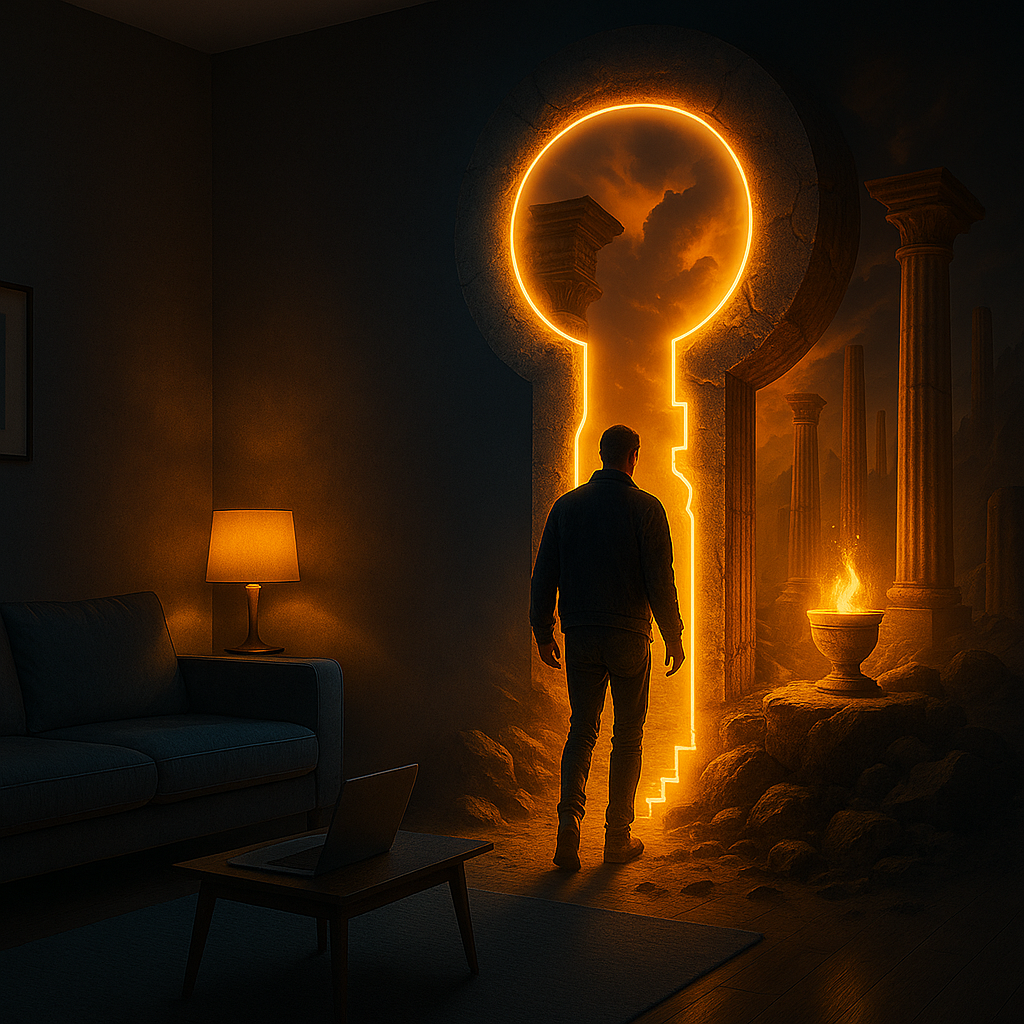
Immersion doesn’t start at the entrance, it begins long before. Backed by research, quizzes and pre-visit tools are powerful ways to build anticipation, generate traffic, and deepen engagement. At Original Narratives, we use gamification to turn waiting into wanting and curiosity into connection.
Designing for Emotion: Why History Should Be Felt
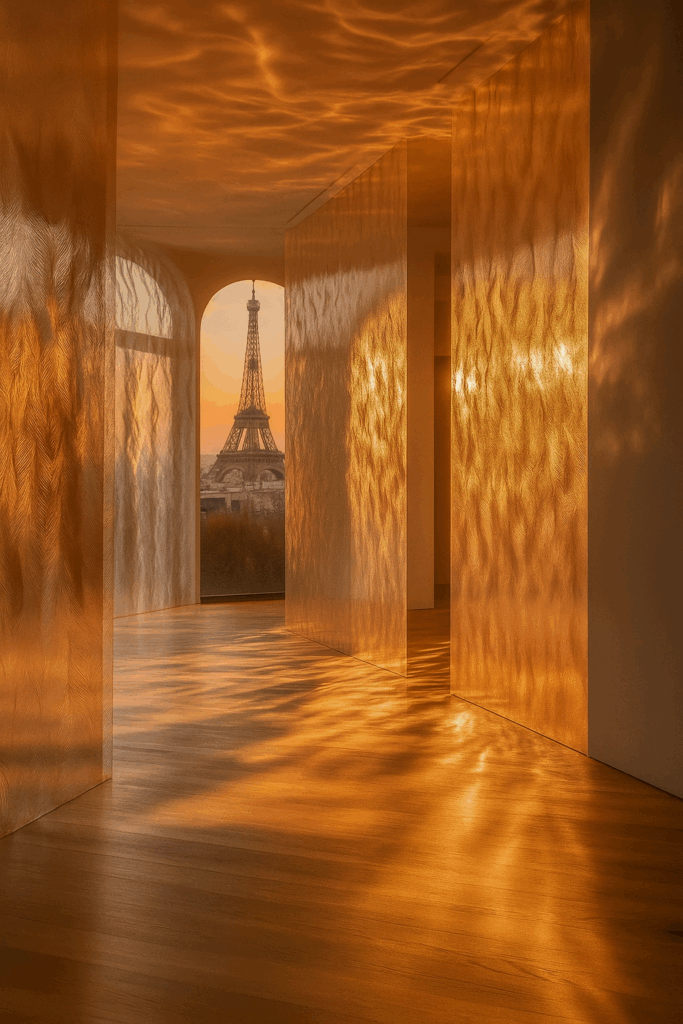
History isn’t only something to look at, it’s something to feel. Through emotional design and multisensory storytelling, immersive exhibitions bring the past to life in unforgettable ways. From sound and scent to XR technologies, discover how designing for emotion helps us remember, connect, and care more deeply about our shared heritage.